


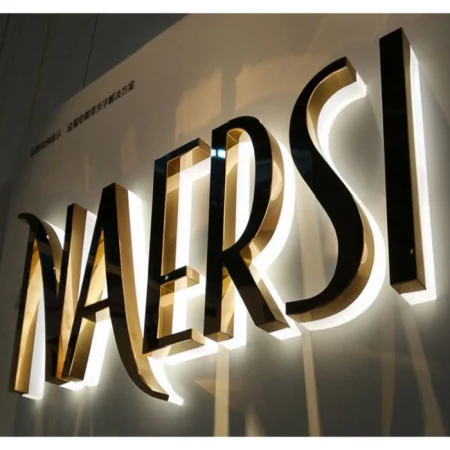


A simple glance is enough to recognize your brand.
Your company logo is an important part of your brand identity, so it will appear on your marketing materials, such as presentations, business cards, social media posts, brochures, websites, and emails. Ultimately, a logo is part of your company's visual branding and narrative. You'll have a hard time finding customers without one, because it tells them a lot about your business.
WHAT IS ESSENTIAL NOT TO FORGET?
It's crucial that it's simple, memorable, versatile, and appropriate for your brand. Consider the meaning of colors and fonts, and make sure the logo works well in different sizes and formats.. Also, research your competition and target audience to create something unique that resonates with your customers.
If you keep the following tips in mind, your logo will be a success; in the end, you're the one who decides.
| NUMBER | RECOMMENDATIONS |
| #1 | Know your brand and target audience: Investigate thoroughly: Before you start designing, understand your brand's story, values, and personality. Consider your audience: Who do you want to reach? The colors, typography, and overall style of the logo should resonate with your target audience. Analyze the competition: Look at your competitors' logos to find opportunities and differentiate yourself.
|
| #2 | Simplify and highlight:
|
| #3 | Choose design elements carefully:
|
| #4 | Ensures versatility and durability:
|
| #5 | Ask for feedback and try:
|


Deja un comentario